On this page
Cloud HR software is increasingly becoming a vital tool in handling employee data, payrolls, benefits, recruitment data, attendance records, and other aspects of workforce management. In light of the fact that these applications use the internet to function, there is a need for protection of information during its transmission between employees, administrators, HR managers, and cloud servers. The sensitive HR data includes names, addresses, identity numbers, compensation information, bank accounts, employment documents, among others, and organizations have a duty to ensure that such data remains safe. Technologies such as SSL and TLS provide secure communication channels between users and cloud services. Understanding these technologies and their importance will help businesses make informed decisions regarding HR technology.
Protecting Employee Information
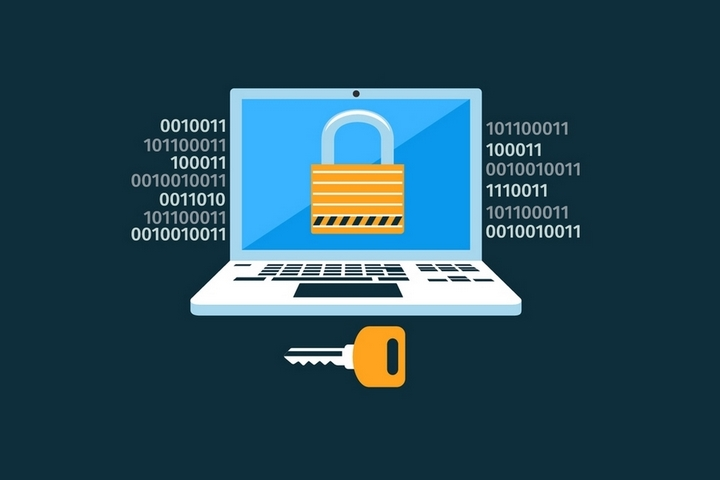
One of the most crucial aspects of SSL and TLS regarding cloud based HR applications is that they help secure the transfer of data. As an employee logs into an HR application, makes a time off request, sees their payroll information, or changes their personal information, the data moves from the employee’s device to the server of the provider of the software. If there was no encryption, the data traveling through the network would become susceptible to potential breaches by unauthorized people. TLS makes intercepted information harder to understand.
Additionally, encryption technology ensures that data communicated between different components of the HR platform hosted on the cloud is secure. Contemporary HR solutions usually have links between the employees’ portal, administration dashboard, payroll solution, benefits application, document management system, and other systems. All these connections are potential sources of data transfers. When configured properly, TLS can ensure the secure communication process along these connections, minimizing the possibility that the information will become compromised while moving from one system to another. For companies researchingHR software Canada or other cloud based HR solutions, secure data transfer is thus an integral component of security architecture.
Understanding SSL And TLS
SSL is one of the older protocols, created in order to safeguard the information transfer in networks. The name SSL can be heard very often when talking about website security certificates, however, the current system uses TLS. TLS was created as a successor to the SSL protocol and had a number of iterations that made it more secure and helped fix problems found in older protocols. That is why businesses need to be aware of the difference between SSL certificates and the protocol itself that is currently being used for connection protection. It is possible to hear that the website has an SSL certificate while the actual connection is done with TLS.
The TLS protocol operates on creating a secure communication link between the user’s browser or software and the server. While establishing a connection, the devices authenticate security details and agree on the required encryption details before proceeding to exchange data. Upon creation of the secure connection, data transferred via the connection becomes encrypted such that anyone who does not have the appropriate decryption tools cannot access it easily. The TLS protocol also facilitates ways of verifying that the users are connected to the actual server rather than an imposter server. This makes it useful in HR applications because users exchange confidential information.
Supporting Secure Login Processes
The employee and administrator login portals are critical communication points when it comes to security. The login credentials grant access to HR applications which have many records of employees stored in it. Such information is valuable and a great target for attacks. Transport Layer Security encrypts user credentials, usernames, authentication keys, and other pieces of information during their transmission from a computer or smartphone to the HR application. In case an employee provides his or her login credentials via an unprotected connection, then the credentials may be captured by an attacker who monitors traffic.
It is also vital to have a secure connection even when the user has been authenticated. The HR application does not transmit sensitive data only during the login process. The user might use their entire session time for accessing documents, updating employee details, providing payroll data, downloading reports, or talking to HR personnel. It is common for authentication processes to use such items as cookies or tokens to allow the application to identify the authorized user. Sensitive session information will be protected when TLS encryption is used to protect the communication channels during the time the user is using the platform.
Reducing Network Security Risks
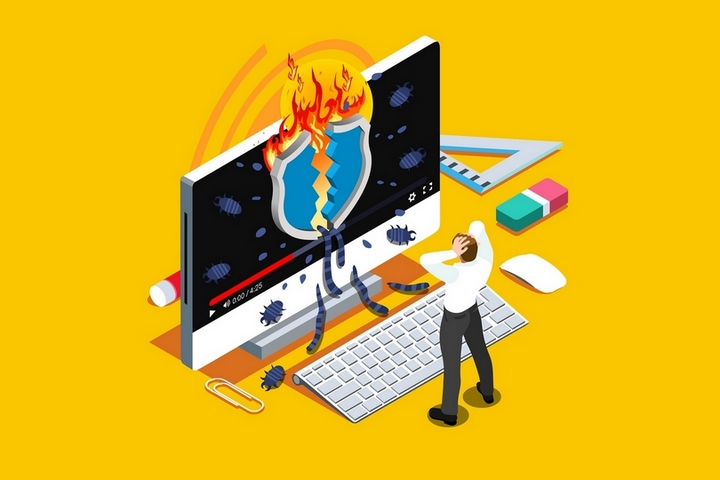
Cloud applications can be accessed from various places and through several devices, offering a lot of flexibility to today’s businesses but at the same time introducing some security issues. Employees can work from office premises, from home, from shared workplaces, or from any other place. In addition, they can have access to their HR systems using various internet connections and various devices. TLS secures communications no matter what place the employee is accessing the company resources from, securing the information on its way through the network. It does not solve all the security problems related to remote access, but still provides a significant layer of security.
Public WiFi networks are just one instance of the need for encryption when communicating. Public Wi Fi networks such as those in airports, hotels, coffee shops, and other places may have limited security or may have many people on the network. There is the risk of having major privacy issues if HR information is transferred without sufficient protection because there would be the possibility of network level interception. It will make it more challenging for anyone listening on the network to obtain any usable data that was transferred.
Supporting Data Privacy
There are obligations associated with the management of employee information, and the implementation of appropriate security measures may help in fulfilling the privacy obligations. The particular obligations that an organization is required to fulfill will depend on a number of factors including location, the type of industry, the employees, and the kind of information processed. Regardless of the particular obligations, securing the transmission of sensitive information is a fundamental aspect of security. Implementation of TLS technology will assist organizations in demonstrating that reasonable technological measures are being adopted.
Privacy is not only about making sure that outsiders cannot read your information. In addition to that, employees should be assured that their personal and employment related information will be properly managed by their employer. Payroll information, performance data, identification information, benefits information, and other HR information can bring serious implications when exposed to any risks. A communication security layer will help organizations to ensure confidentiality while employees and administrators use cloud applications. While encryption does not ensure privacy, it is just one of the parts of a much bigger picture related to data protection.
Protecting Data During Remote Work
The rise of remote work and hybrid models has elevated the significance of cloud access security since there might be times when employees will require interaction with the HR system without being connected to the internal network of the organization. Cloud based HR applications enable the employees to perform various tasks irrespective of their location; however, this makes it imperative for the organization to ensure that the communications done remotely are secured. The role of TLS is to establish a secure link between the user’s browser and the cloud system so that employees can access the HR data.
Remote access may encompass a wide variety of HR functions. Some people may use remote access for tasks such as downloading tax forms, updating address details, reviewing benefit information, submitting expenses, requesting time off, and accessing policies. Management may review employee files, approve or reject requests, or produce workforce reports. HR offices may upload sensitive documents or make alterations to employee details. Since various types of sensitive information may be transmitted during these transactions, security of the transmission medium must be ensured throughout the entire user session and not just at login.
Authentication And Server Identity
Another way TLS certificates can be of use to users is in verifying that they are indeed connected to the legitimate server linked to a cloud HR solution. The issuance of TLS certificates occurs from a certificate authority that validates the information provided by the entity managing the domain, depending on the nature of the certificate and the verification process used. When a browser connects to a site securely, it will be able to verify that the certificate is valid and if it matches the domain.
Server authentication becomes very important due to the possibility of hackers trying to create phony websites that mimic the legitimate login screens. If the employees are fooled into providing their HR login credentials through the false website, then the use of encryption alone will not help as the traffic will be safely encrypted to the server of the attacker. It is, therefore, necessary for organizations to have security training, domain protection, multifactor authentication, password management, and other security measures besides TLS. TLS becomes most important where it is a part of an overall security policy and not an entire security solution alone.
Maintaining Secure HR Operations
From the perspective of an HR department, security goes beyond just technology. A security issue regarding employee data might interfere with payroll processing, human resources services, the hiring process, benefits management, and many other processes. Many HR systems on cloud computing are designed to be incorporated into different business processes. Therefore, it is crucial to ensure that user to platform communication is secure for effective daily operations. While TLS may not stop all kinds of attacks, it limits the exposure through encrypted network communication.
It would also be prudent for organizations to think about how the HR software vendor handles issues related to the certificate, encryption method, updating, authentication, access control, monitoring, and response to incidents. The security duties are usually shared between the vendor and the business making use of the service. It is critical that companies get to know which of the security controls are handled by the software vendor and which ones have to be configured internally.
Choosing A Secure HR Platform
In evaluating cloud HR software solutions, companies need to go further than considering whether the solution uses an SSL certificate or displays a padlock symbol within the browser window. Today’s security is based on many elements like using the latest TLS version, proper certificates usage, secure configurations, authentication, access control, monitoring, and other security elements. A system can have secured connections, but it can be vulnerable in other aspects of security implementation.
Documentation from the vendor and the assessment of its security measures may help gather valuable information while making this choice. Organizations may be interested in learning how the company ensures the protection of their data in transit and at rest, key management, security patches, incident response, and administrative access. Depending on the needs of the business, some other measures such as certifications, independent security assessments, penetration tests, and security obligations in the contract may be considered as well. Such a holistic approach will evaluate the security of HR software by multiple control measures.
The Role Of Ongoing Security
The security needs of organizations using cloud based HR software do not stay constant once this is implemented. Technology evolves, new threats emerge, and attacks get more sophisticated. There are also changes to the versions of TLS and cryptography protocols used as the previous versions become outdated. It becomes the responsibility of the software vendors to keep on updating the configuration of their infrastructure. The organizations will have to be vigilant and aware of any changes to the security measures of the HR platform.
It would also be advisable for the businesses to ensure regular audits regarding access and security procedures among staff. Access for past employees should not be available to any unnecessary extent to HR systems, and the present employees should have only those permissions which are needed by them. Multifactor authentication may further protect against any possible misuse of passwords, while logging and auditing may help in detecting any suspicious behavior.
This is the reason why SSL and TLS are relevant to cloud based HR applications since they provide a degree of confidentiality in the transfer of confidential information from employees, administrative staff, web browsers, software applications, and cloud servers. TLS gives us encrypted connections and performs server authentication, and hence, it plays an important role in ensuring the safety of credentials for logging in, confidential employee details, payroll data, benefit information, and other confidential HR information. Nonetheless, it is imperative to recognize the importance of encryption in ensuring security in the context of a holistic approach involving authentication, access control, monitoring, secure software development, privacy considerations, and system maintenance.