
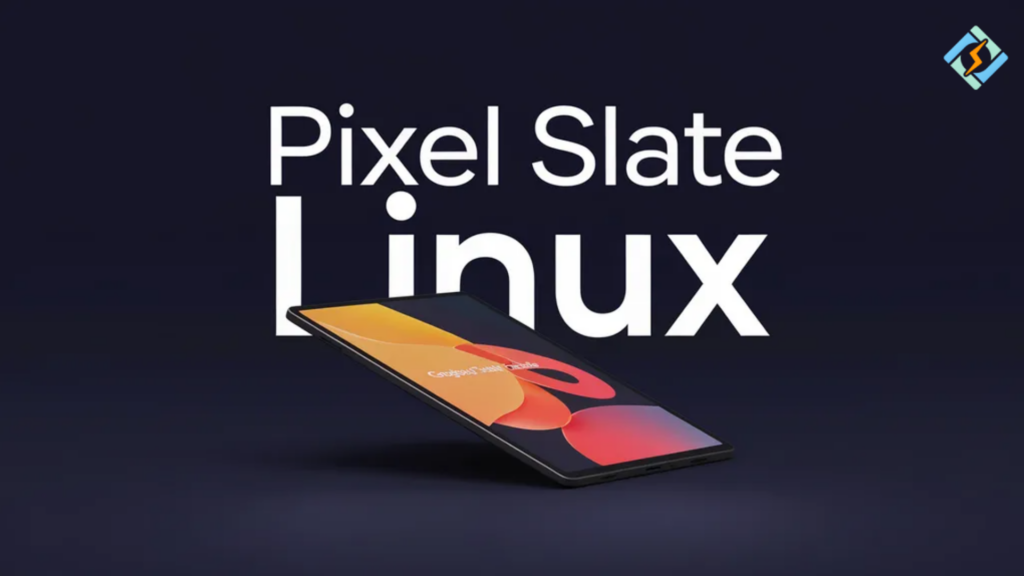
The Google Pixel Slate was initially marketed as a high-end ChromeOS tablet that brings together the portability, productivity, and Google’s cloud-first ecosystem. Even though ChromeOS is well-suited for web-based tasks, a lot of people find it limiting, in particular when used for development tools, Linux apps, VMs, or server admin workflows.
This explains the growing Pixel Slate Linux interest. Developers, Linux fanatics, students, and power users are frequently checking for Google Pixel Slate Linux, installing Linux on Pixel Slate, Linux on Pixel Slate, and Linux on Google Pixel Slate to enjoy greater flexibility of the device.
In reality, the Pixel Slate’s ability to handle Linux workloads is great news. But the problem is that there are even more than one method, each comes with different pros, cons, and hardware compatibility requirements. While some people only wish to have their Linux applications running through ChromeOS, others want to have a full-fledged Linux desktop environment.
Here, you will find all the details about Linux on Google Pixel Slate, including various installation ways, hardware compatibility, performance standards, possible difficulties, and deciding if it is still a worthy Linux device in 2026.
What Is The Google Pixel Slate?
Google developed the Google Pixel Slate as a 2-in-1 tablet with a detachable keyboard.
Some of its main features are:
- High-resolution touchscreen display
- Intel processors
- Support for detachable keyboard
- Stylus compatibility
- Works on the ChromeOS operating system
- Lightweight design
Google stopped manufacturing the Pixel Slate, but there are still many Pixel Slate users who love it for its top-tier hardware and great performance.
Can You Run Linux On Pixel Slate?
Absolutely. There are many methods to run Linux on Pixel Slate, starting with running Linux applications inside the Chrome OS and up to setting up full Linux desktop environments.
The most popular alternatives are:
- Linux Development Environment (Crostini)
- Dual-boot Linux installations
- Fully replacing Chrome OS with Linux
- Linux virtual machines
- Containerized Linux environments
The final decision should be taken based on what you want and how experienced you are.
Why Install Linux On Pixel Slate?
Why users install Linux because it allows them to do things on their device that are not possible with ChromeOS alone.
Besides:
- Developer tools
- Linux-native applications
- Programming environments
- System administrators’ tools
- Containers
- Access to features that are normally hidden from users
- Tailoring one’s system also to a high degree
If you are a developer or an IT professional, Linux can make the Pixel Slate into a really powerful workstation.
Option 1: Using ChromeOS Linux Support (Crostini)
For most users, the easiest solution is enabling Linux support directly within ChromeOS.
Google’s Linux development environment allows users to run Linux applications without replacing ChromeOS.
Advantages include:

- Officially supported
- Easy setup
- Minimal risk
- Automatic updates
- Strong hardware compatibility
How To Enable Linux On Google Pixel Slate
- Open Settings
- Navigate to Developers
- Select Linux Development Environment
- Click Turn On
- Follow the setup wizard
Once completed, a Linux terminal becomes available.
Users can then install software through standard Linux package management tools.
Example:
sudo apt update
sudo apt upgradeThis approach satisfies the needs of many developers without requiring advanced modifications.
What Can You Do With Crostini?
Once Linux support is turned on, users can go ahead and install several applications:
- VS Code
- Git
- Python
- Docker
- Node.js
- Java
- Development systems
- Terminal utilities
This enables the Pixel Slate to be used as a tool for programming, writing scripts, and managing servers.
Option 2: Dual-Boot Linux On Pixel Slate
Some experienced users may want a full Linux OS rather than just running Linux apps on ChromeOS.
Dual booting means that users have the option to start either:
- ChromeOS
- Linux
Among other things, you get:
- The full Linux user interface and experience
- Ability to customize to your heart’s content
- Access to hardware components directly
- Easier management of system resources
Still, it is a major increase in the level of difficulty of setup.
Option 3: Full Linux Installation On Pixel Slate
Yet another option is to completely get rid of ChromeOS.
With this, you will be able to enjoy:
- Native Linux performance
- Traditional desktop environments
- Full Linux package support
- Complete system control
Popular Linux distributions include:
- Ubuntu
- Fedora
- Debian
- Arch Linux
- Linux Mint
However, compatibility varies depending on hardware support.
Hardware Support Details
Users who are thinking about a full installation need to figure out if their hardware is compatible first.
Touchscreen Support
In many cases, touch will work, but it might be necessary to do some extra setup.
Keyboard Compatibility
Linux should run fine with the Pixel Slate keyboards without any extra work.
Stylus Support
According to the distro and kernel, a pen might work pretty well or not at all.
Audio Support
Audio issues could be one of the things holding back a lot of people from installing.
Camera Support
In some cases, support for the camera may be lacking or problematic in one or more distributions.
The advice is to be very careful when mapping out a plan to install and keep hardware support as a high priority.
Top Linux Distributions For Pixel Slate
There are a few distributions that are mainly well-suited for pretty much any new low-power hardware running modern software.
Ubuntu
Out of all the Linux distributions available, Ubuntu probably has the most beginner-friendly installation process.
Some key points are:
large user base community, well-written tutorial materials, support for nearly all hardware.
Fedora
One of Fedora’s advantages is having relatively newer software packages at any given time with fairly in-depth developer tools.
Linux Mint
If you want to use Linux without having to re-learn everything, then Linux Mint is a good choice.
Debian
If your primary focus is system stability and getting a long life out of a single installation, then it might be time to install Debian.
Performance Of Linux On Pixel Slate
Things can get out of hand very easily performance-wise if you decide to go for Linux.
Crostini Performance
It is really very good for:
- Coding
- Terminal work
- Development tools
- Productivity applications
Full Linux Performance
A native installation can deliver:
- Faster application launches
- Better multitasking
- Greater resource control
The Pixel Slate’s Intel processors remain capable enough for many modern Linux workloads.
Common Issues While Installing Linux On Pixel Slate
While Linux compatibility is getting better, some issues still remain.
Driver Compatibility
Some hardware components may need to be configured manually.
Firmware Limitations
ChromeOS devices often come with firmware limitations that affect Linux installations.
Security Features
Google’s security features might make some installation procedures difficult.
Recovery Planning
Making backups is a must before changing system software.
Pixel Slate Linux For Developers
The Pixel Slate is still a very capable device for software development.
Among other things, developers use it for:
- Web development
- Python programming
- Linux administration
- Cloud management
- Container workflows
- DevOps learning
When paired with up-to-date Linux tools, it can be used as a lightweight portable workstation.
Is Getting Linux On A Google Pixel Slate A Good Idea In 2026?
In case you ask me, I think so.
In particular, if you are interested in software development, studying Linux, server administration, or running powerful applications, Linux opens up a whole new level of features for the Pixel Slate.
Then again, if you mainly use the Internet and cloud-based applications, ChromeOS may be just fine for you alone.
Generally speaking, the right decision depends on how much freedom and control you want.
How CyberPanel Complements Pixel Slate Linux Workflows?
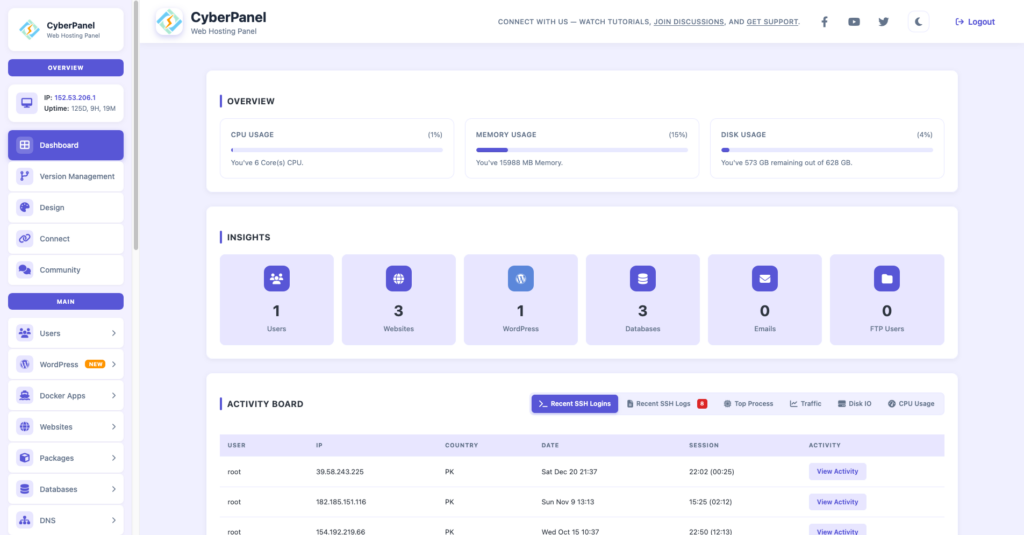
It is quite usual for those who run Linux on Pixel Slate to be involved in managing websites, apps, or cloud servers.
CyberPanel is an open-source and free web hosting control panel driven by OpenLiteSpeed. Server administration, SSL handling, backups, databases, and website deployment are some of the tasks that can be greatly simplified with it.
Developers turning to Linux on Pixel Slate for a new working environment can rely on CyberPanel to take care of Linux servers even from a distance; at the same time, they can enjoy their development device being light and portable.
Final Thoughts!
Using Pixel Slate Linux is still a feasible solution for developers, students, or Linux fans who want to get more from Google’s premium tablet. The Pixel Slate is a good platform even for production, development, administration, and productivity if you use the Linux support of ChromeOS that is built in or a full Linux installation. It can be a very versatile Linux device through the proper arrangement, even years after it was initially released.
Why not try to get the most out of your Pixel Slate by starting with Linux support? You can change your ChromeOS tablet into a development and productivity workstation that is quite flexible!
FAQs
Can Linux Applications Run Without Replacing ChromeOS?
Yes. Crostini allows Linux applications to run inside ChromeOS without installing a separate operating system.
Which Linux Distribution Works Best On Pixel Slate?
Ubuntu and Linux Mint are often recommended because of their strong hardware support and extensive documentation.
Is The Pixel Slate Powerful Enough For Programming?
Yes. The Intel-based Pixel Slate models remain capable of handling coding, development tools, and Linux workflows.