On this page
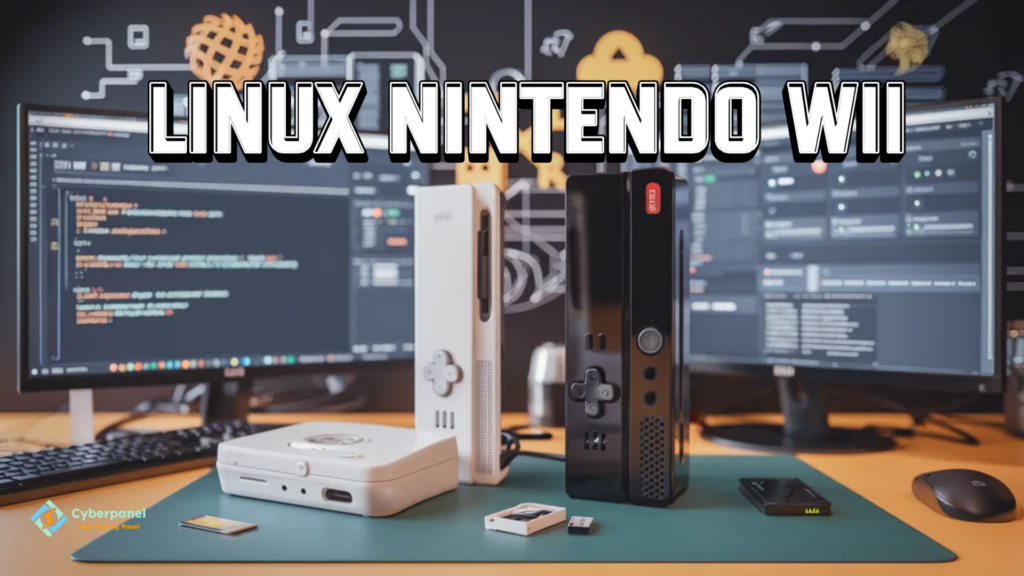
Many people consider the Nintendo Wii among the highest-selling gaming consoles. The Nintendo Wii brought a unique style of play, games the whole family can enjoy, and motion control. Even after years in decline, the Wii continues on life support thanks to Linux lovers. Let’s explore Linux Nintendo Wii!
What once sat on a dusty shelf can be converted into a mini computer for tinkering and open source adventures, all due to the Homebrew community that made booting Linux possible on the Wii (and on the Wii U in due course).
The Wii can hardly compare to our modern single-board computers and desktops, but these consoles continue to be worthwhile projects for DIY and technology aficionados alike. In this guide, we will teach you the fundamentals of how Linux operates on the Nintendo Wii and the Wii U, what you’ll need to get started, and what to anticipate from a gaming console with a whole other lease on life.
Can You Install Linux on the Nintendo Wii?
Yes, installing Linux on the Nintendo Wii is possible, though it’s certainly not as easy as installing an operating system on your PC. Nintendo Wii was not intended to be used with Linux. The console was not originally made to install Linux.
In order to make this possible, developers have made it possible to launch software not licensed by Nintendo.
The term generally used for this procedure is referred to as homebrew. If you have a Homebrew channel installed, you will then be able to use an SD card and boot from the prepared Linux-specific distros on the Nintendo Wii or a USB drive. Note that even when you install Linux on your Nintendo Wii, you’re not necessarily wiping out the existing Nintendo operating system. What you do is simply provide another way of using the console in an academic or experimental environment.
Most of people tend to install Linux on the Wii for: Studying the basics of Linux command line Learning about the basics of embedded system Programming practise Finding out about open source software Give an “old-timer” a second life For example, if you’re interested in looking at web pages or substituting for a laptop/PC in a home office environment, there’s little reason to go for the Wii as your primary device; any piece of modern hardware will do far more for you.
If, however, you like tinkering with Linux, this project can be incredibly satisfying.
What Is Homebrew Wii Linux?
In order for Linux to work on the Nintendo Wii, you first have to install the Homebrew Channel. It’s a community-created piece of software that allows the Wii to launch programs made by independent developers, not official Nintendo ones.
Without the Homebrew Channel, you can only install and use programs that Nintendo officially supports.
Simply put, it’s the doorway that will let custom software onto your system. Once you have it installed, you can run:
- Linux distributions
- Emulators
- Backup software
- Media players
- Utility programs
- Community-developed applications
Many people will also install something called BootMii to create a backup of the console, so if anything goes wrong you can restore it to its previous state. The installation process has gotten much safer over the years, but with any console modification you always risk bricking (rendering useless) your device, so do your research and make backups!
Which Linux Distributions Work on the Wii?
Various Linux Projects have been available for the Nintendo Wii over the years; some were quite popular, and while not many of these are still actively maintained, you may find guides to install some of them:
Debian-based Wii Linux
A number of projects compiled some Debian packages to get a Linux environment onto the Wii.
Gentoo for Wii
An ambitious project aimed at advanced Linux users who liked having complete control over their system (although this was a more challenging setup).
Whiite Linux
One of the more well-known Wii Linux projects; it was specifically designed for the Nintendo Wii hardware. It includes the appropriate drivers and software required for the console to work properly, although it isn’t in active development much anymore.
What About Wii U Linux?
Linux can also be installed on the Wii U, though the process is a bit different. Unlike the original Wii, the Wii U does not require the Homebrew Channel and relies more on newer homebrew environment solutions developed by the community.
Thanks to the hardware advancements in the Wii U compared to its predecessor, the operating systems running on the device often run much better and are more compatible with newer programs.
Developers use Linux on the Wii U to experiment, program, run lightweight programs, and of course, learn the operating system. Again, treat this more like a hobbyist project rather than an actual substitute for a current-day personal computer.
Requirements
| Requirement | Why You Need It |
|---|---|
| Nintendo Wii or Wii U | The console you’ll modify |
| SD Card | Stores homebrew files |
| USB Drive | Optional storage for Linux |
| Homebrew Channel | Required to launch Linux |
| USB Keyboard | Makes Linux easier to use |
| Internet Connection | Download files and updates |
How to Install Linux Nintendo Wii
Installing Linux takes some preparation, but the overall process is straightforward if you follow each step carefully.
Step 1: Install the Homebrew Channel
The first step is installing the Homebrew Channel using a trusted community guide that matches your console’s firmware version.
This allows your Wii to launch unofficial software.
Step 2: Back Up Your Console
Before making any changes, create a complete system backup using BootMii if your console supports it.
A backup provides peace of mind and can help recover the console if something unexpected happens.
Step 3: Prepare Your SD Card
Download the Linux files for your chosen distribution.
Copy the required boot files to the SD card following the instructions provided by the Linux project.
Step 4: Connect Storage Devices
Insert the SD card into the console.
If your Linux distribution requires additional storage, connect a compatible USB drive before booting.
Step 5: Launch Linux
Open the Homebrew Channel and start the Linux loader.
The console will begin loading the Linux kernel and boot into the selected distribution.
The first boot may take a little longer than usual while the system finishes its initial setup.
Step 6: Complete Basic Configuration
After Linux starts, configure:
- Time zone
- Keyboard layout
- Network settings
- User account
- Package updates
Once these steps are complete, your Nintendo Wii becomes a functional Linux machine ready for experimentation.
What To Do With a Wii Running Linux?
Setting up a Nintendo Wii to run Linux isn’t intended to replace a modern PC. While the hardware may be a little dated by today’s standards, it can provide a useful introduction to Linux in a real environment.
These are some useful things that can be achieved with a Wii running Linux:
Learn the basics of Linux
If you’re new to the Linux command line environment, a Wii can be a cheap and harmless way to learn your way around. It’s a safe environment to explore the file system, experiment with different commands, and manipulate files without worrying about corrupting your primary system.
Learn to program
There are some lightweight programming and scripting environments available that you can install. Although you won’t be able to create any large programs or development suites on the Wii, it’s possible to learn programming through creating small scripts and applications.
Explore open source software
Many of the great applications we take for granted are open source, and installing Linux on a Wii offers you a great opportunity to explore and understand how community-developed software operates and how Linux distributions are composed.
Create a small test environment
Despite its humble specs, the Wii can still serve as a lightweight server application or environment that could be useful for development. Older hardware is frequently repurposed as test and experimentation platforms for developers of all levels.
Reuse old technology
Giving an old, forgotten gaming console another lease of life may be one of the greatest benefits of installing Linux. In many tech enthusiasts’ lives, there’s a certain enjoyment that comes from giving new life to something that’s been gathering dust for years.
Wii Linux vs Wii U Linux
| Feature | Nintendo Wii | Nintendo Wii U |
|---|---|---|
| Performance | Basic | Better hardware |
| RAM | Lower | Higher |
| Linux Support | Community projects | Active homebrew community |
| Best For | Learning and experiments | More advanced projects |
| Installation | Homebrew Channel | Modern homebrew environments |
Is Wii Linux Still Worth it?
It Depends On Your Expectations!
If you’re expecting to get a high-speed Linux machine that can be used for programming, web browsing, or running modern apps, you’ll probably be much happier with a Raspberry Pi or an old laptop. But if your main motivation is to learn, tinker, or get a grasp of how Linux works on a particular type of embedded hardware, the Nintendo Wii is still an interesting project.
After all, the challenge of getting something as archaic as the Wii to run an operating system is rewarding in itself, and many Linux enthusiasts take on the challenge to learn about boot loaders, file systems, and other core OS components.
The Wii isn’t something that anyone would really use as their day-to-day OS; rather, it’s a fun weekend project.
How Does CyberPanel Help?
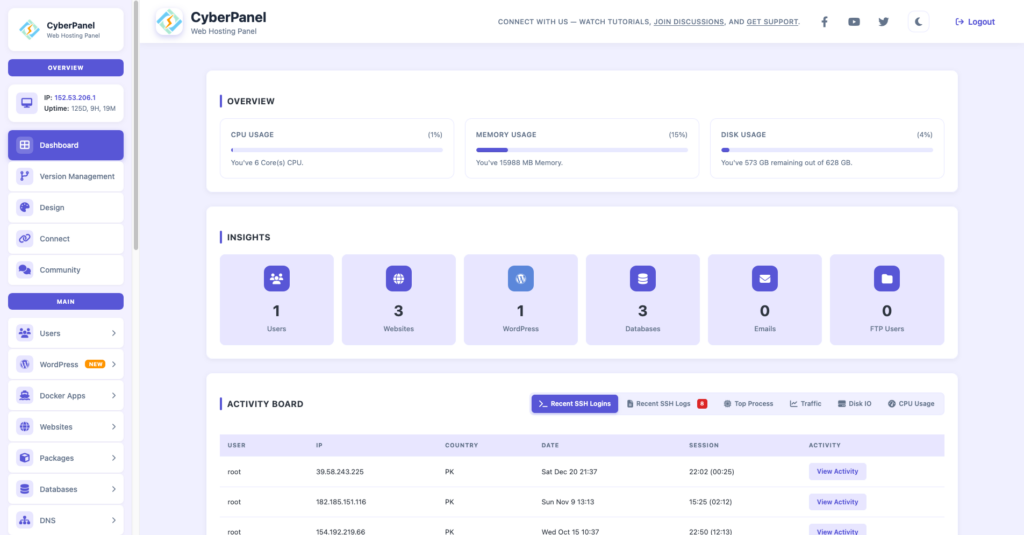
Running Nintendo Wii Linux is one of the most enjoyable ways to learn about the basics of Linux. It introduces you to the Linux command-line interface (CLI), how file permissions work, installing packages, and configuring system components. Once you get to the point of running actual Linux systems, however, there are better and simpler ways of going about it, such as CyberPanel.
CyberPanel, a web hosting control panel, makes it easy to control and manage your Linux server, all from an easy-to-use and intuitive web GUI that lets you avoid using the terminal for common administrative tasks.
Final Remarks!
The Nintendo Wii might not be at the cutting edge of gaming any longer, but there is definitely a niche for it within the Linux community. With the use of the homebrew community, the venerable gaming console has been turned into a pint-sized machine capable of running Linux. It’s a great learning and experimentation station for aspiring Linux users or those who just want to delve into open-source technologies without shelling out too much money.
The Wii won’t exactly replace a full desktop or even a Raspberry Pi in the computing world, but it’s sure a neat little box where you can experiment with the ins and outs of a Linux system from the original Wii Linux project to its modern successor in the Wii U.
As your skills become better, you’ll be able to apply the same Linux knowledge and experience in more robust platforms; especially when coupled with CyberPanel, managing Linux servers, websites, and web applications will no longer be daunting.
People Also Ask
Can I install Ubuntu on a Nintendo Wii?
Ubuntu is not officially designed for the Wii. Most users choose Linux distributions that have been adapted specifically for the console’s hardware.
Is Homebrew required to install Linux on the Wii?
Yes. The Homebrew Channel is required because the Wii cannot run unofficial software by default.
Can a Nintendo Wii run Linux?
Yes. With the help of the Homebrew Channel and community-developed tools, the Nintendo Wii can boot compatible Linux distributions.