
On this page
The outcomes of automating a task should always be the same, regardless of automating it multiple times. This characteristic of automation can lead to automation breaking systems, creating duplicate resources, or creating changes to the system that were not intended or desired by the user.
This is where Ansible idempotent behavior becomes essential. Because Ansible idempotence ensures that when a task in Ansible is attempted to be executed multiple times, there will not be any different outcome upon achieving the desired state or condition initially in the run of a task.
This guide will provide an overview and description of what idempotency means in Ansible, an explanation of the importance and value of idempotency, and examples of using idempotency in practical scenarios.
What is Ansible Idempotent?
Ansible implements the principle of idempotency through its design principles.
Ansible being idempotent means:
The playing of the same playbook every time without any other change to the system will produce the same result. Therefore, Ansible maintains the stability of systems as the automated process operates repeatedly through time.
Ansible Idempotency
Idempotency in Ansible refers to managing system states to prevent unintended changes to the system.
For instance, if a specific package is already installed, Ansible will not install that package again.
This ensures there are no:
- duplicate installs
- unwanted changes
- unstable systems
Ansible idempotence is another term for idempotency. It refers to the same concept of predictable and repeatable automation.
What Makes Idempotency So Important in Ansible?
By using idempotent practices, Ansible offers several major advantages:
Consistency
A system will continue to be in the desired state.
Safety
The risk of changing your configuration unintentionally is greatly reduced.
Efficiency
The risk of wasting resources by performing unnecessary duplicate actions is eliminated.
Scalability
Idempotence allows you to reliably operate on large-scale infrastructures.
Therefore, idempotence is a fundamental aspect of Ansible.
Ansible Idempotent Example
Here is a simple Ansible idempotent example.
Install a Package
- name: Install Nginx
  hosts: servers

  tasks:
    - name: Ensure nginx is installed
      apt:
        name: nginx
state: presentExpected Behavior
- First run: installs Nginx
- Second run: no change
Output example:
ok: [server]
changed: falseThis shows idempotent behavior.
Ansible Command Idempotent Issue
The Ansible command idempotent problem occurs when using the command module.
Example:
- name: Run custom command
command: mkdir /testdirProblem
This command runs every time, even if the directory exists.
Solution
Use the creates parameter:
- name: Create directory safely
  command: mkdir /testdir
  args:
creates: /testdirNow the task becomes idempotent.
Idempotency Supported by Modules
There are a lot of idempotent Ansible modules out there.
Some examples of these include:
- package management modules
- file modules
- service modules
- user management modules
What makes these modules idempotent is that they will check the system’s current state before making any modifications.
Ansible Identical Behaviors Best Practices
To improve the working of Ansible, you should use the following best practices.
Use the Built-in Modules
Modules should be preferred over commands executed as raw commands.
DAvoid Hardcoded Commands
Raw commands typically do not report any unfinished state or the status of the command when executed.
Use Conditions
Use the “when” statements to determine if an execution occurs.
Validate the States
Check to see what the current state is before you change anything.
By following these best practices, your Ansible will perform correctly each time.
Common Errors in Idempotency
Here are the most common mistakes made when using idempotency:
- Not using command modules with conditions.
- Forcing changes that don’t need to be made.
- Not utilizing what the module(s) are capable of doing.
- Not running the playbooks through All Operations more than once.
Each of the above mistakes breaks idempotency.
The Role of CyberPanel in Automated Systems
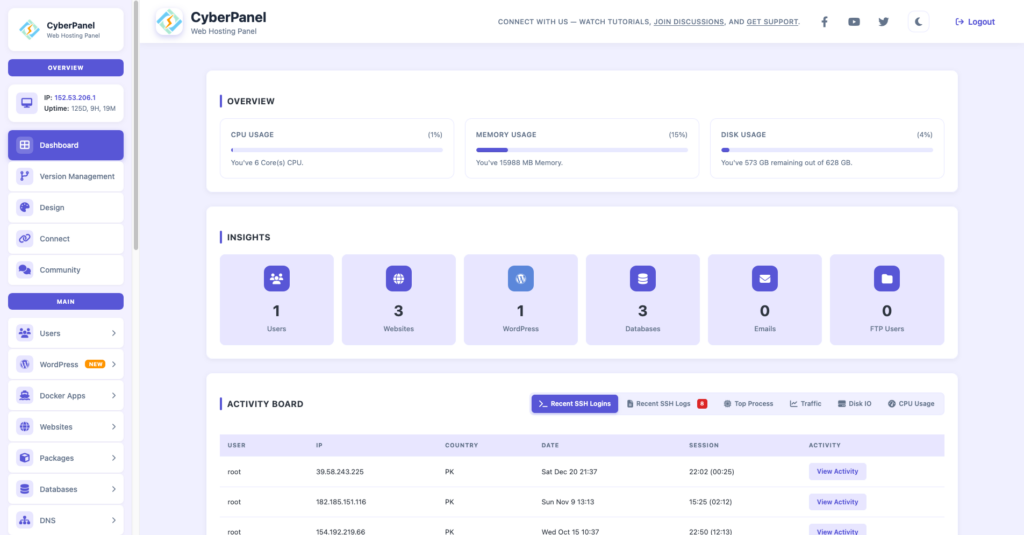
CyberPanel is a free and open-source web hosting control panel. It provides a way to create an automated, repeated hosting environment management solution via the Ansible Automation framework.
CyberPanel can perform:
- Configuring servers
- Managing domains
- Setting Up SSL
- Monitoring
When CyberPanel is combined with Ansible, the two will provide consistency with the state of the systems.
Conclusion
When creating an automated process without adhering to a repeatable process, a high level of risk. The idempotent behavior of Ansible allows systems to remain stable when running the same tasks repeatedly. By understanding and applying Ansible idempotency correctly, you will have fewer errors when using Ansible and greater reliability with your automation efforts.
Creating idempotent Ansible Playbooks will provide you with a consistent, reliable automated process, so you can start today by creating idempotent Ansible Playbooks and making your automation safe and reliable each time.
FAQs
Can custom Ansible scripts be made idempotent?
Yes. You can use conditions like creates, removes, or when to control execution and ensure scripts do not run unnecessarily.
What is the difference between idempotent and declarative in Ansible?
Idempotent ensures repeated runs don’t change results, while declarative defines the desired state. Ansible combines both by declaring a state and ensuring it remains consistent.
How do I check if an Ansible task is idempotent?
Run the playbook twice. If the second run shows “changed: false”, the task is idempotent. You can also use --check mode to preview changes before execution.