On this page
Your old PC does not have to be worthless. Many users have problems with slow computers, whether they be from long load times for applications or using older hardware. The cost of replacing a PC is very high, and not everybody wants to pay for an upgrade.
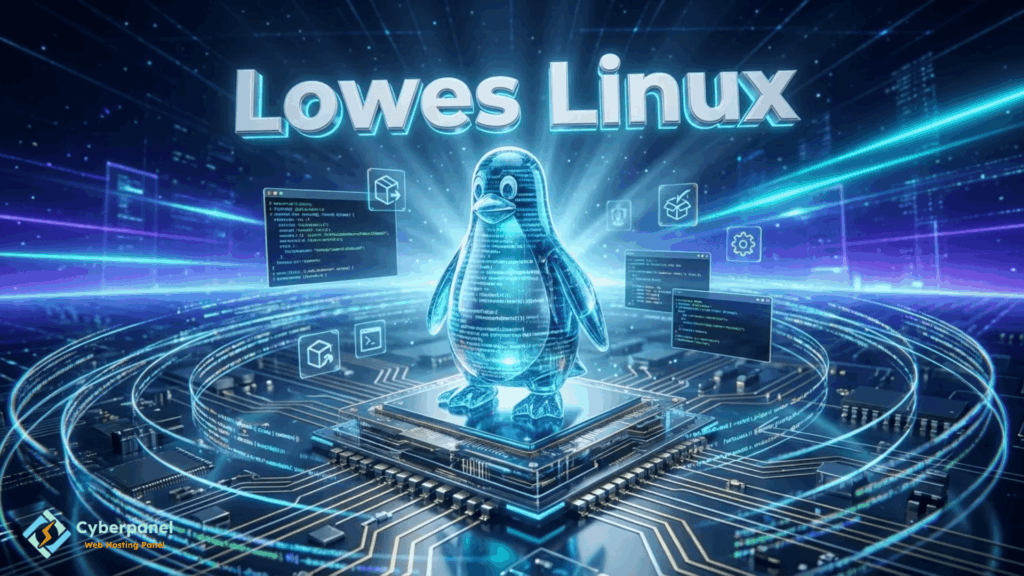
This is where Lowes Linux is a viable option.
Whether you are searching for Lowes Linux distros for old appliances or are looking for a very low-resource Linux distro, Linux provides you with the tools you need to run smoothly on even the oldest models. These distributions of Linux are created with the intention that they will require less system resources, load quickly, and remain stable over time.
This guide will provide you with information about how Lowes Linux helps you restore old computer hardware, which distributions of Linux are most appropriate for users of low-end PC’s, and about the best way to configure your new machine.
What Is A Lowes Linux?
Low-end Linux is a type of computer operating system that has been developed for low-end computers (those with less than about 4GB of RAM). The purpose of low-end Linux is to provide an alternative way to run Linux by using very little RAM, with a faster boot time, and a lighter weight. Using a low-cost type of Linux allows you to get the most performance out of your older or less expensive computer.
What Are Some Low-End Linux Operating Systems?
There are many different versions of Linux created specifically to be run on computers that have very limited resources (low-end PC’s), for example: older laptops with low amounts of resources (less than about 512MB to 2GB), very old processors, and desktops that are considered “budget” computers. Most low-end Linux versions do not include many of the features that make up the more traditional versions of Linux and instead focus on providing a stable and fast system.
Best Low Resource Linux Distro Options
Here are some top choices for a low-resource Linux distro.
1. Lubuntu
- Lubuntu uses the LXQt desktop
- fast and simple
- good for beginners
2. Puppy Linux
- Puppy Linux runs from RAM
- extremely fast
- works on very old PCs
3. antiX
- antiX has very low resource usage
- no systemd
- ideal for advanced users
4. Linux Lite
- Linux Lite is easy to use
- Windows-like interface
- good for daily tasks
5. MX Linux
- MX Linux is stable and fast
- more features than ultra-light distros
Comparison Table for Low-End Linux Systems
| Distro | Minimum RAM | Best For |
|---|---|---|
| Lubuntu | 1 GB | Everyday use |
| Puppy Linux | 512 MB | Very old PCs |
| antiX | 256–512 MB | Advanced users |
| Linux Lite | 1 GB | Beginners |
| MX Linux | 1–2 GB | Balanced usage |
What Is a Low Cost ARM Linux Board?
The Linux board designed for a low-cost ARM architecture is classified as a small computer running Linux.
Some examples of low-cost ARM-based computers include:
- The Raspberry Pi 4 or the Orange Pi.
- Reasons to Use ARM Boards:
- Low power
- Cost effectiveness
- Compact size
Good for learning, projects, and experimentation.
They can be used to create small connected servers or other DIY automation systems and projects.
Reasons to Choose Low Cost Linux
There are advantages to using a low-cost version of Linux.
Cost Savings:
There are no hardware costs associated with a high-end server.
Better Performance:
Older personal computers will run faster with a slimmed-down version of Linux.
Increased Useful Life of Devices:
You can take an older laptop and use it again as if it were new.
Greater Control:
With Linux, you have full control of your system resources and hardware customization.
Overall, a low-cost Linux solution is the right choice for those with limited budgets.
How to Choose an Operating System (Distros)?
Choosing the right Linux distribution depends on your specific requirements.
Check Your Components:
Look at the RAM, CPU, and storage options available for your hardware.
Review Your Experience Level:
If you have never used Linux before, you may want to choose one of the more user-friendly distributions (such as Lubuntu or Linux Lite).
Performance Expectations:
If your PC is very old, consider using a smaller distribution like Puppy Linux or antiX.
Software Requirements:
Be clear in defining whether you are expecting to use the operating system for browsing the internet, work or as a server.
What CyberPanel does for Low Resource Systems?
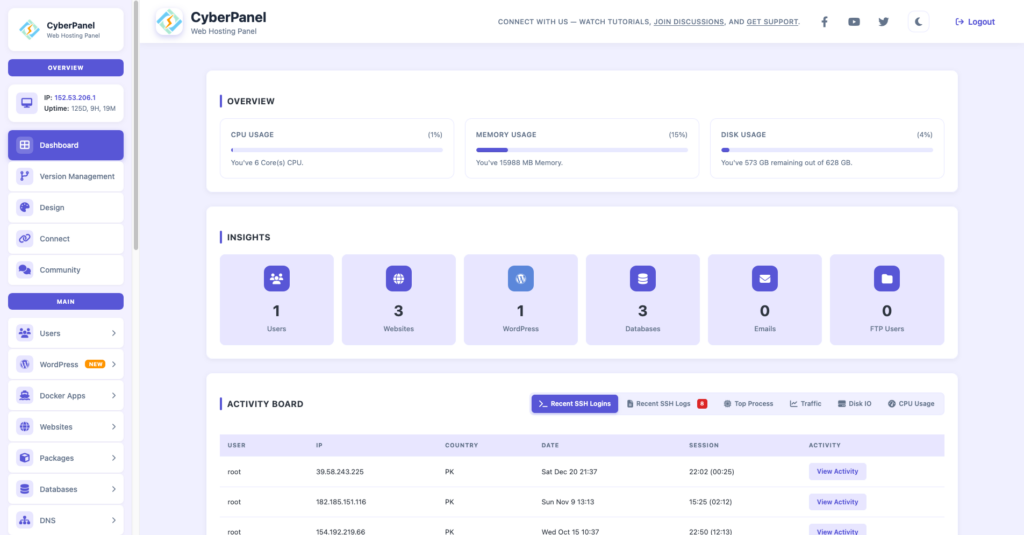
CyberPanel is a free and open-source web hosting control panel. It runs on low-end Linux systems, allowing you to manage your server more easily than you could previously using other methods.
CyberPanel offers the following services:
- manage your domain
- host your website
- set up an SSL
- configure your DNS
- monitor your server
CyberPanel empowers you to create a powerful, high-performance hosting environment even when you have limited resources.
Mistakes You Should Avoid When Using A Low Resource Distro
When using a low-resource Linux distribution, do not make the following mistakes:
- using a heavy desktop environment
- running too many applications
- ignoring the system’s finite resource limits
- choosing overly complicated distributions as a beginner
By keeping your system simple, you can ensure you get the best performance possible from it.
Conclusion
You do not have to throw out your old hardware. If you install a low-resource Linux distribution on it, you will be able to turn slow systems into usable, high-performance computers. Whether you choose to use a low-resource ARM Linux board or install a low-resource Linux distribution, Linux provides you with both performance and flexibility at no additional cost.
Using the right Linux distribution for your low-end PC will help you save money, increase the speed of your device, and extend your low-end device’s life.
Try out a lightweight Linux distribution today; you will be amazed at how much faster your old computer can run!
People Also Ask
What is one of the best Linux distros for low end PC?
For a low-end machine, the best choices would be Puppy Linux and Lubuntu.
Can a computer with just 512 MB of RAM run Linux?
Yes, there are several different distributions of Linux that are designed to run with just 512 MB of RAM (like Puppy Linux).
Is low-cost Linux good for daily use?
Absolutely, there are more than enough lightweight distributions available that can handle common functions like browsing the web, using an office application suite, and just about any other standard function.