On this page
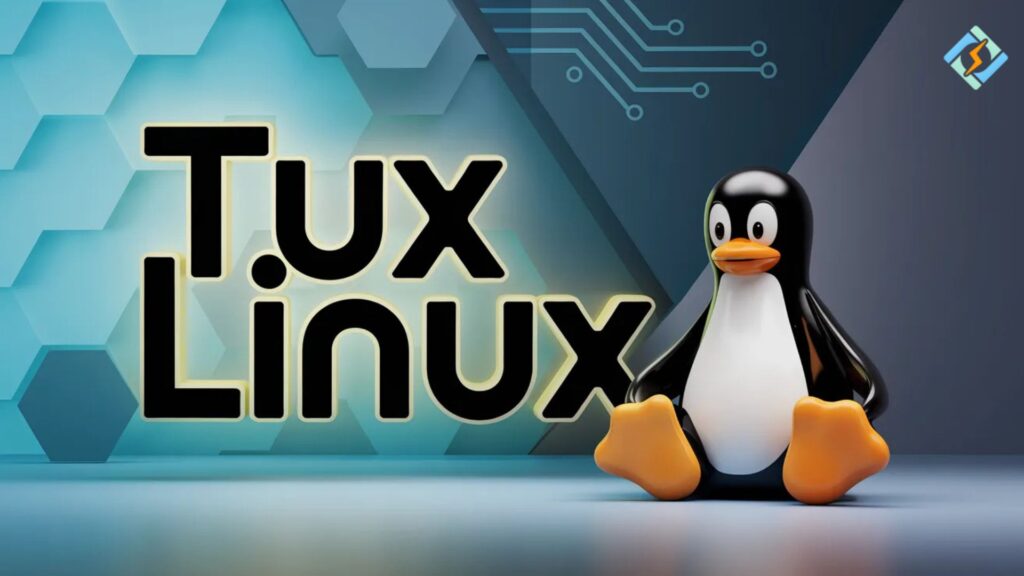
Do you also wonder why a penguin represents one of the most powerful OS in the world? That penguin is Tux. It is the official mascot of Linux. A deep history, a strong community, and a unique cultural impact in the tech world back Linux.
Linux Tux was never designed as a marketing symbol, unlike corporate logos. It has emerged from the open-source community. It became a global icon that represented freedom, collaboration, and innovation. Anyone who is a developer, system administrator, or just exploring Linux has definitely seen Tux the Penguin Linux at some point.
From its origin story to its role in games like Linux Tux Racer, Tux has become more than just a mascot. It reflects the philosophy behind Linux: simple, powerful, and community-driven.
In this guide, you will explore the origin of Linux Tux Penguin, its design, its cultural significance, and how it became a symbol recognized across the tech industry.
What is Tux Linux?
Tux Linux refers to the penguin mascot that represents the Linux OS. It is the official mascot of Linux and symbolizes the open-source community and its values.
Who Created Tux The Penguin Linux?
The character of Tux was created by Larry Ewing in 1996.
Key Insight
- Designed using GIMP
- Selected through a community process
- Inspired by penguins loved by Linus Torvalds
Why Is Linux Represented By A Penguin?
Linus Torvalds came up with that idea. Linux had a fascination with penguins. He wanted a mascot that was friendly and memorable. The community agreed, and Tux was chosen.
The Linux Tux penguin is not only a visual branding. It has a meaning that follows the philosophy of Linux. Linux is founded on openness and sharing ideas and development.
Tux visually embodies these. Its design is simple, friendly, and unthreatening. It has no element of exclusivity, a desire to control, or to be prohibitively complex.
It is open to anyone to be a member. This is the difference where Linux is concerned. The mascot is not owned the way it is owned in proprietary systems. It is owned by the community. This is why various distributions and projects have different drawing styles of Tux, but the identity stays.
The Role Of Linux Tux In Developer Culture And Open Source Identity
For years now, Linux Tux has been firmly woven into the fabric of developer culture. It is there in documentation; it is there in the form of art on hundreds of terminals; it is there in conference signage; it’s even there on the loading animation when you boot up your system. But not just there.
Recognized instantly. This is important.
In a world where most tools differentiate through marketing and branding, Linux is able to keep a shared culture. Tux remains an icon for the thousands of Linux distributions and projects that have varied aims and formats.
It also creates a sense of familiarity. When a developer has Ubuntu, Debian, or any other distribution installed, the image of Tux reminds them that they are still in the same environment.
Linux Tux Racer And The Expansion Of Tux Beyond Symbolism
One of the most interesting evolutions of Tux is when it is seen in the form of a game. Tux Racer, by introducing the mascot with a game, made it become a persona that is now part and parcel with the user. The game is simple enough.
Tux zips down icy terrain, grabbing fish and dodging items. But its importance is much greater than the gameplay.
It is proof that Linux can be fun, creative, and fun to use, not just a technical achievement. This helped alter the perception. Linux was no longer thought of purely as a developer’s machine. It was now potentially appealing to a wider group of potential users.
How Tux Linux Maintains Relevance In Modern Computing
Despite the huge changes in technology, Tux Linux hasn’t faded yet. Instead, it is still among the most identified symbols of computers. The reason this is still relevant is that it is consistent. Even though rebranding happens a lot in companies, Linux is consistent.
The penguin itself has not been replaced or given a more corporate look. It’s simple.
Simultaneously, Linux has grown into cloud computing, containers, and large enterprises. Even there, the identity of Tux is still alive in the background, standing for all you can get to know and build on.
Real World Relevance Of Linux Tux In Server And Hosting Ecosystems
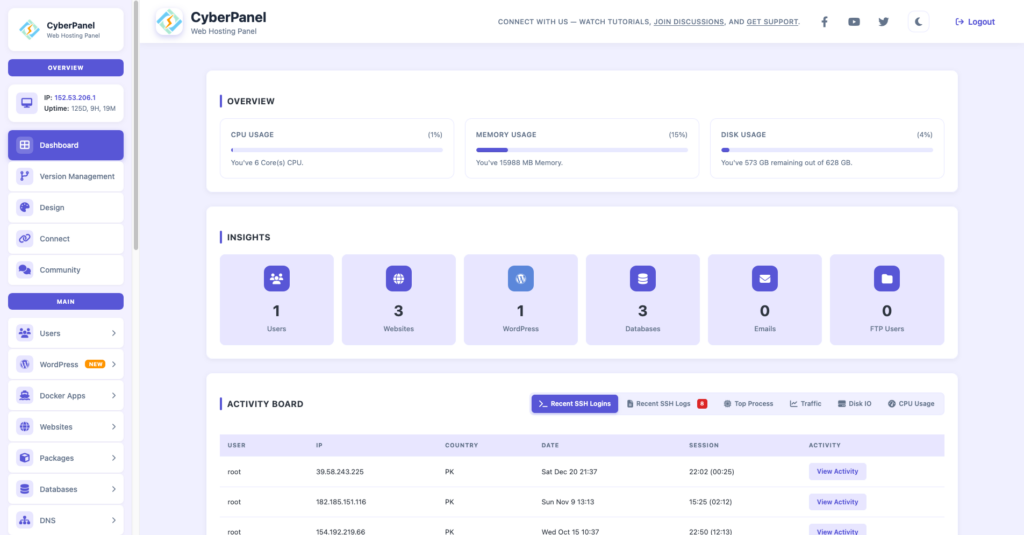
Linux powers most modern servers. This includes hosting environments, application deployment, and cloud infrastructure.
CyberPanel is a free and open-source web hosting control panel powered by OpenLiteSpeed. It runs on Linux and simplifies server management, website deployment, and performance optimization.
In this ecosystem:
- Linux provides the foundation
- Tux represents the identity
- CyberPanel enables practical server control
This connection shows how symbolic identity and real-world utility come together in the Linux ecosystem.
Why Tux Linux Still Matters Today
What makes Tux the penguin Linux a compelling concept is not what it looks like but what it stands for.
It stands for a system that is open, a community that collaborates and always adjusts without ever losing sight of what it is.
In the world of constant change and fierce branding, Tux is calm, simple, and consistent.
Common Misconceptions About Tux The Penguin Linux
Many assume that Tux is only a cartoon mascot for the system, which is wrong. Tux represents:
- Free usage of open-source
- Collective development
- System reliability
- Another misconception is that Tux has become outdated.
Still, this is not the case; it is still one of the best-known graphics in the field of computers.
Conclusion
Consistency breeds trust that Linux is not owned by a single company but by everyone who uses it and works on it.
Most importantly, it is more than just a blue penguin. It embodies the very ideas that underpin Linux, that is, openness, simplicity, and teamwork. Having understood Tux, you understand Linux.
And by understanding Linux, you have understood one of the most powerful ecosystems that drives today’s technology. By using Linux, you are already experiencing what Tux is about.
FAQs
Can I Customize The Tux Linux Penguin For My Project?
Yes, Tux can be customized because it is part of an open ecosystem. Many distributions and projects use modified versions of Tux while keeping the core identity intact.
Is Tux Linux Trademarked Or Free To Use?
Tux is not restricted like corporate logos. It is widely used across the Linux community, but some versions or adaptations may have specific usage guidelines depending on the distribution.
Does Every Linux Distribution Use Tux Linux?
Not all distributions use Tux directly in branding, but it remains the universal symbol associated with the Linux kernel and ecosystem.