On this page
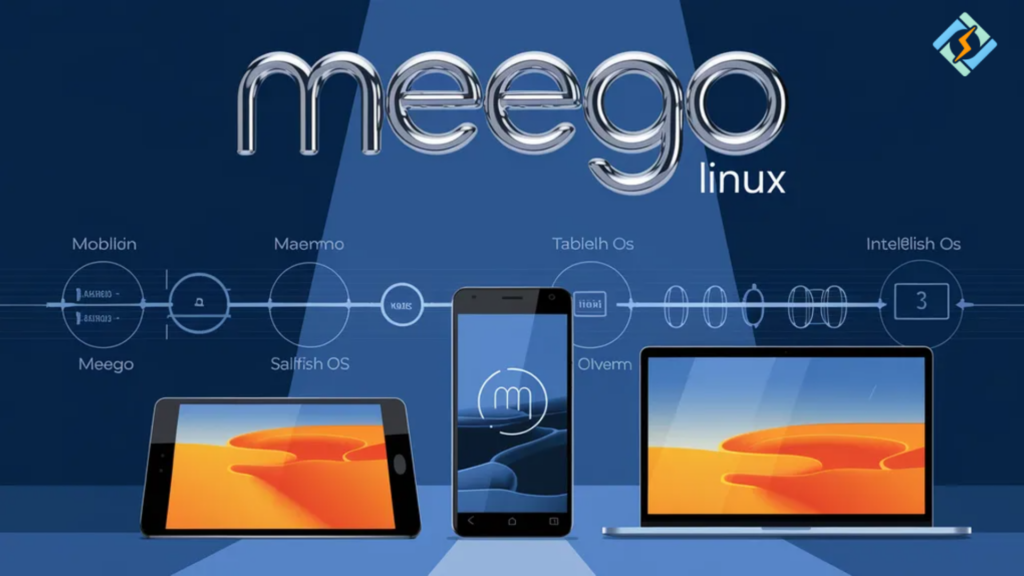
Throughout the years, many operating systems have come and gone in the Linux ecosystem, but only a handful had as much impact as MeeGo Linux. Originating from a partnership between Intel and Nokia, MeeGo was meant to be the single operating system for smartphones, tablets netbooks, car systems, and even smart TVs. At that moment, a lot of people thought it could stand against Android and iOS.
Despite the project being very ambitious and getting a lot of industry attention, the path of MeeGo was very short. The strategic business decisions, changing mobile markets, and different corporate priorities eventually killed the active development of MeeGo.
In this article, you will get to know the whole story of MeeGo Linux, its features, ways to get it, the development history, reasons for its discontinuation, and the significant effect it has left on modern Linux-based operating systems.
What Is MeeGo Linux?
MeeGo Linux was an open-source Linux-based operating system jointly developed by Intel and Nokia in 2010.
The project combined two existing Linux initiatives:
- Intel Moblin
- Nokia Maemo
The objective was to create a single operating system capable of powering multiple categories of devices, including:
- Smartphones
- Tablets
- Netbooks
- Automotive infotainment systems
- Embedded devices
- Smart TVs
MeeGo relied on the Linux kernel while offering a modern touch-friendly user interface optimized for portable devices.
Why Was MeeGo Linux Created?
In fact, before Android became the leading mobile platform, handset manufacturers were experimenting with alternative Linux-based operating systems.
Intel, for one, wanted a Linux-based platform optimized for their processors used in netbooks and small embedded systems, while Nokia intended to find a replacement for its Maemo platform.
It was a decision to combine their efforts that enabled the two companies to create a widely scalable OS to which developers could write applications for several device types.
Main Features Of Linux MeeGo
MeeGo rolled out several very advanced features, at least for its day and age.
Up-To-Date Touch Interface
Its GUI was a gesture control one, this being the mode of interaction chiefly aimed at touch devices.
Performance-Focused Implementation
Being a thin client and maintaining resource availability painstakingly was the strength of MeeGo, which also explains why it was a good match for power constrained devices.
Open-Source Model Development
Anyone interested had the ability to alter, modify, and develop the operating system further.
Cross-Platform Dream
MeeGo intended to be capable of running on different device types with one and the same software code.
Linux Foundation Controlled
The project was run through the Linux Foundation, involvement of both hardware and software players was set as a goal.
MeeGo Linux Download
Many users still search for MeeGo Linux download to explore the operating system.
Although official development ended years ago, archived installation images remain available through Linux archive projects and community preservation websites.
These downloads are primarily intended for:
- Historical research
- Software preservation
- Virtual machine testing
- Legacy hardware experimentation
Because the software is no longer maintained, it should not be used as a primary operating system.
Devices That Ran MeeGo
Several devices shipped with or experimented with MeeGo.
Notable examples include:
- Nokia N9
- Nokia N950 (Developer Device)
- Intel reference tablets
- Automotive infotainment systems
- Development boards
Among these, the Nokia N9 became the most well-known commercial MeeGo smartphone.
Why The Linux Foundation Dropped MeeGo?
A lot of people are asking ‘Linux Foundation dropped MeeGo’ because they think the Linux Foundation discontinued the whole project.
Actually, the whole thing was rather complicated.
The Linux Foundation kept encouraging collaborative development, but the project’s viability was largely dependent on its main commercial backers.
When Nokia decided to focus its smartphone efforts on Windows Phone in 2011, the support for MeeGo almost completely disappeared.
Since there were no big hardware manufacturers who were willing to actively invest in the development anymore, it was quite a challenge to maintain the project.
Did The Linux Foundation Kill MeeGo?
Linux Foundation kill MeeGo is one of the most popular search entries, but it is quite wrong in the literal sense.
Linux Foundation did not purposely terminate the MeeGo platform.
In fact, a number of industry developments led to its demise:
- Nokia changing its primary smartphone platform away from MeeGo.
- Intel investing more in other Linux projects.
- The rise of Android market dominance.
- Application platforms turning to Android and iOS.
With commercial support fading out, the development of MeeGo effectively stopped over time.
What Replaced MeeGo?
Although MeeGo itself was discontinued, several successor projects carried its technology forward.
These include:
Tizen
Intel joined Samsung to create Tizen, which inherited many concepts from MeeGo.
Today, Tizen powers:
- Samsung Smart TVs
- Wearables
- Embedded systems
Sailfish OS
Former Nokia engineers founded Jolla and developed Sailfish OS using technologies derived from MeeGo.
Sailfish continues to receive active development and remains one of MeeGo’s most recognizable successors.
MeeGo Vs Android
| Feature | MeeGo Linux | Android |
|---|---|---|
| Linux Kernel | Yes | Yes |
| Open Source | Mostly | Yes |
| Commercial Success | Limited | Extremely High |
| Application Ecosystem | Small | Massive |
| Current Development | Discontinued | Active |
Benefits Of MeeGo Linux
In its brief tenure, MeeGo was a great platform in various ways.
- It had a sleek interface
- Rapid operation
- Minimal system requirements
- Community-driven development
- Compatible with different hardware
- Engaging users through novel ways
Many of its concepts strongly contributed to the development of subsequent mobile OS.
Drawbacks
With its qualities, MeeGo was also confronted with several problems.
- Low number of apps
- Developers scarce
- Devices’ running costs were very low
- Development terminated soon
- Cessation of hardware manufacturers’ support
These elements together are the reason why this operating system was not widely accepted.
What MeeGo Left Behind?
The operating system may have vanished as a live project, yet its trace can still be found in today’s technology.
The ideas first conceived by MeeGo have been a source of inspiration for it to:
- Measure up as Sailfish OS
- Eventually lead to Tizen
- Incorporate into Modern Linux mobile platforms
- Give birth to Embedded Linux systems
On top of that, the project gave a living example of how tech giants collaborating can be the game changer in open source innovation.
Role of CyberPanel in Modern Linux Deployments
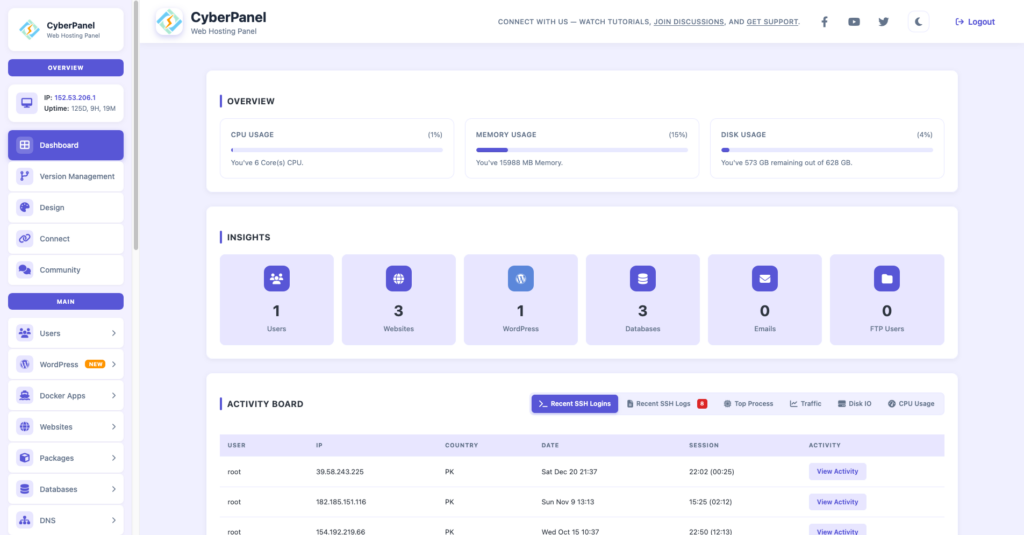
Although the main concern of MeeGo was mobile computing, the Linux world is today largely centered upon cloud infrastructures and web hosting.
OpenLiteSpeed is the basis of CyberPanel, which is a free and open-source web hosting control panel. It covers areas of website deployment, SSL certificate management, backups, databases, mail hosting, and the general administration of the Linux server with ease.
If you are into Linux history or handling modern production servers, CyberPanel is there for you as a great helper that lets you focus on fine-tuning Linux infrastructure instead of worrying about management aspects.
Summary
Among the many intriguing stories of Linux, MeeGo must be counted as one. It was the product of the cooperation between Intel and Nokia, and though it never managed to break out into the mainstream commercial market, it was a source of groundbreaking concepts which have gone on to leave their mark in various modern OS environments. So, if you are Linux MeeGo researcher, MeeGo Linux downloader, or just want to find out why people ask about Linux Foundation drop MeeGo and Linux Foundation kill MeeGo, then this piece of history tells you about the power of business strategies in shaping the fate of even the most promising open source projects.
Inspired by this short article? Learn about MeeGo and other breakthrough Linux projects helping shape the Linux ecosystem on desktops, mobiles, and embedded systems around us.
FAQs
Is Sailfish OS Related To MeeGo?
Yes. Sailfish OS was created by former MeeGo developers and incorporates many technologies and concepts originally developed for MeeGo.
Did The Linux Foundation Actually Kill MeeGo?
No. The Linux Foundation did not directly end the project. MeeGo declined primarily because its major commercial sponsors redirected their development efforts to other platforms.
Was MeeGo Linux Based On The Linux Kernel?
Yes. MeeGo was built on the Linux kernel and combined technologies from Intel’s Moblin and Nokia’s Maemo projects.