On this page
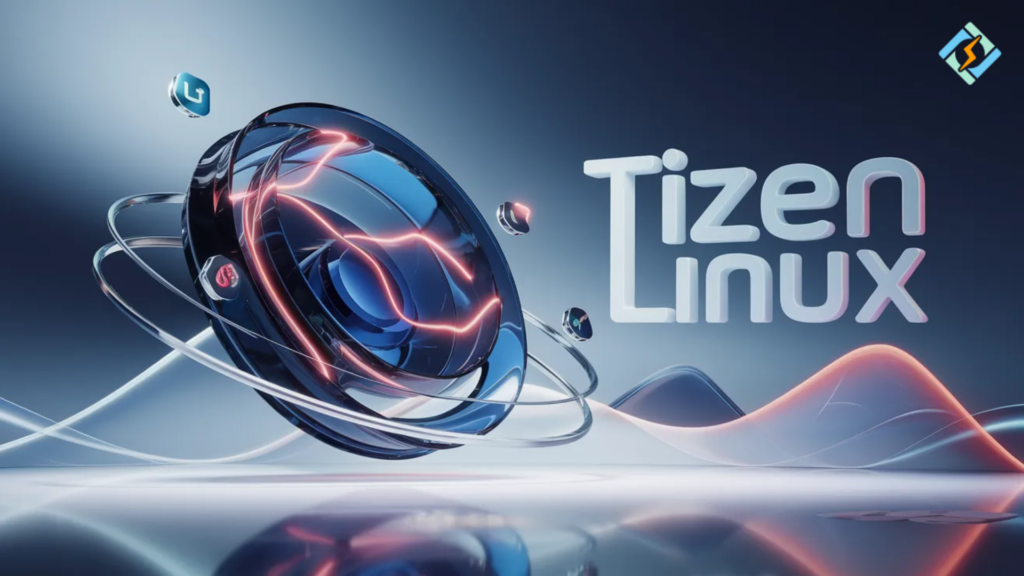
Tizen Linux is a source of confusion quite often. On one hand, some people refer to it as a Linux operating system. On the other hand, some people say it is only Linux-based. A lot of developers wonder if Tizen can be treated just like a regular Linux distribution. The point is that these questions are quite legitimate because Tizen is constantly running in real-life situations on millions of devices such as smart TVs, wearables, and embedded systems.
The situation is more complicated than that. Tizen Linux is certainly different from desktop Linux, such as Ubuntu or Fedora. Besides, it is not a closed system either. It implements the Linux kernel, keeps to the open-source principles, and has a foundation that officially manages it. Nevertheless, it acts in a way that is completely unexpected for most Linux users.
In 2026, attention to Tizen Studio Linux is booming because of the requirements for cross-platform development, the continuous expansion of the Internet of Things, and issues regarding long-term support for devices. Developers are eager for clarification. Is Tizen Linux-only based? Is Tizen a complete Linux? Who is the owner? And how does the Tizen Linux Foundation fit in?
This article tries to give a direct and simple explanation of all those questions. Besides, you will know the actual situation of Tizen, the way it functions, and the cases where it would be a good idea to use it.
What Is Tizen Linux?
Tizen Linux is an open-source operating system based on the Linux kernel and intended for embedded and consumer devices. Performance, security, and long device lifecycles are its main concerns rather than general computing capabilities.
Tizen is mainly used in:
- Smart TVs
- Smartwatches
- Home appliances
- Automotive systems
- IoT and embedded devices
In contrast to desktop Linux distributions, Tizen is application-centric and the platform is quite tightly controlled.
Is Tizen Linux-based?
Certainly! Tizen is built on Linux.
It uses:
- The Linux kernel
- GNU toolchain components
- Standard Linux system libraries
- POSIX-compliant interfaces
Nevertheless, just because the core is Linux-based doesn’t mean it’s a standard Linux distribution. In fact, Tizen throws out many of the features that desktop Linux users take for granted, such as full shell environments and package managers.
Therefore, although Tizen Linux is based on Linux foundations, it is not intended for general Linux workflows.
Is Tizen Full Linux?
No. Tizen is not a full Linux distribution.
A full-fledged Linux distribution usually comprises:
- a general-purpose package manager
- multi-user shell access
- a standard filesystem hierarchy
- desktop or server environments
- broad hardware support
Tizen deliberately stays away from these. The system is only meant for tightly controlled hardware and specific use cases.
That is why the proper interpretation is:
- Tizen uses Linux
- Tizen is not a full Linux
How Tizen Linux Architecture Works
Tizen follows a layered architecture designed for stability and security.
Core Layers
| Layer | Purpose |
|---|---|
| Linux Kernel | Hardware control and scheduling |
| Core Services | Security, networking, system APIs |
| Application Framework | Web and native app support |
| UI Layer | Device-specific interfaces |
Each device category runs a customized Tizen profile.
Role of the Tizen Linux Foundation
The Tizen Linux Foundation oversees the project.
It is a Linux Foundation project and is backed by some of the big-name companies.
Among the main ones:
- Keeping public governance
- Handling specifications
- Organizing contributors
- Providing assurance for long-term support
Although Samsung backs most contributions, Tizen is not a proprietary product. The foundation is there to make sure that Tizen Linux stays open and standardized.
Tizen Studio Linux: Developer Environment
Tizen Studio Linux is the official development environment tool for creating Tizen applications.
It can be used on Linux, Windows, and macOS.
Tizen Studio Offers:
- An IDE with debugging assistance
- Device simulators
- SDKs for various Tizen profiles
- Development of web and native applications
- Packaging and signing utilities
Tizen Studio is essential if you want to develop Tizen seriously. The classical Linux tools are not sufficient by themselves.
Application Models in Tizen Linux
Tizen supports two main app types.
Web Applications
- HTML5, CSS, JavaScript
- Cross-device compatibility
- Easier maintenance
Native Applications
- Written in C or C++
- Higher performance
- Used for system-level apps
This dual model is one reason Tizen Linux works well on constrained hardware.
Tizen Linux vs Traditional Linux Distributions
| Feature | Tizen Linux | Ubuntu / Fedora |
|---|---|---|
| Linux Kernel | Yes | Yes |
| Desktop Support | No | Yes |
| Package Manager | No | Yes |
| Shell Access | Limited | Full |
| Target Devices | Embedded | General |
| Tizen Linux | Yes | Optional |
Security Model in Tizen Linux
The central security element is a core architectural feature.
Main features include:
- Mandatory Access Control
- Application sandboxing
- Permission-based APIs
- Signed application packages
- Secure boot integration
Thanks to this, Tizen Linux can be easily integrated with consumer electronics as well as enterprise devices.
Current Usage of Tizen Linux
The use of Tizen Linux is extensive in 2026:
- Samsung Smart TVs
- Wear OS smartwatches (legacy layers)
- Automotive infotainment systems
- Smart appliances
- Industrial IoT devices
The main advantage is the uniformity between millions of exactly the same devices.
Tizen Linux Limitations
Certain limits are intrinsic to Tizen.
- Tizen is not a desktop operating system
- Few hardware supported
- Device ecosystems are closed
- System access is restricted
- Developer community is small
Consider these as design decisions rather than defects.
Can You Treat Tizen Like Linux?
A bit.
You are allowed:
- To make use of Linux system calls
- Develop native Linux-style applications
- Reuse lots of open-source parts
You are not permitted:
- To put in any random Linux packages
- To customize the OS freely
- To replace system components easily
How CyberPanel Contributes in Linux-Based Ecosystems?
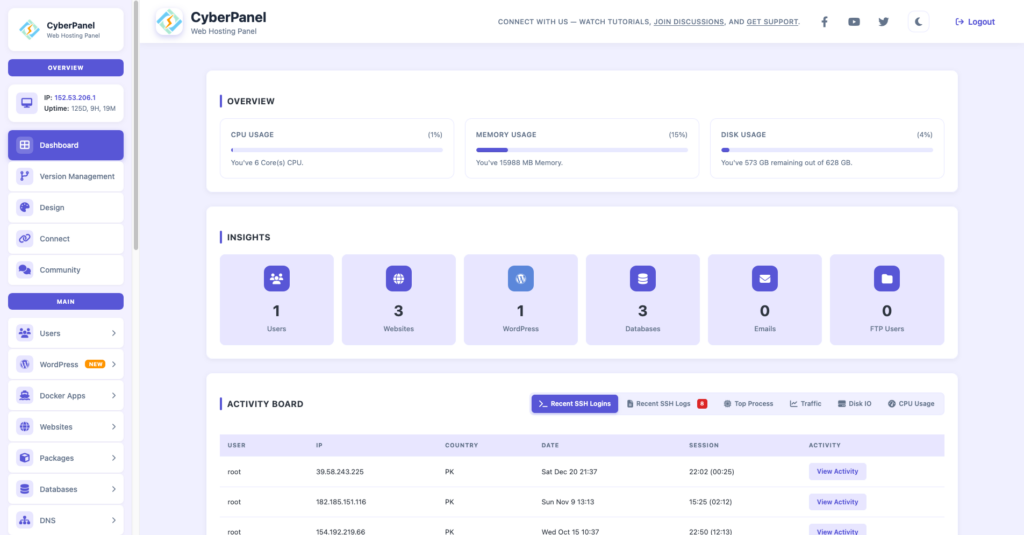
CyberPanel is an open-source web hosting control panel powered by OpenLiteSpeed. It is not designed to work directly with Tizen Linux devices; however, it complements Linux-based infrastructures interacting with Tizen in many ways. Backend services, APIs, and device management platforms running on Linux servers can be easily and securely managed with CyberPanel, providing scalable support and secure communication for Tizen devices.
Final Thoughts!
Tizen Linux is a very specific platform that is focused more on device stability, security, and long, term support rather than general Linux flexibility. Although it is Linux-based at the kernel level, its tightly controlled architecture makes it perfect for smart TVs, wearables, and embedded systems. Knowing this difference will prevent setting wrong expectations during development or deployment. Since Tizen apps depend more and more on APIs and cloud- connected services, having a reliable backend is crucial. It is also more straightforward with tools such as CyberPanel that simplify the deployment and maintenance processes for Linux servers.
If you plan to work with Tizen Linux, then get Tizen Studio installed on Linux, carry out testing against device profiles, and do backend planning early with a light platform such as CyberPanel for smooth scaling and steady long-term operation.
People Also Ask
Can Tizen Linux run Docker containers?
No, container support is not designed for Tizen environments.
Can I install Tizen Linux on my PC?
Officially, no. Tizen is designed for specific hardware.
Does Tizen Linux support systemd?
No, Tizen uses its own init and service management model.