On this page
Linux users often search for BlueStacks Linux to run Android apps without the need for Windows. The reasoning behind the demand is clear. Linux is fast, secure, and developer-friendly. On the other hand, Android apps are prevalent. So, it is only natural that users look for BlueStacks on Linux in the hope of a simple installation and a seamless experience.
However, the truth is that BlueStacks is not available for Linux, not even in 2026. Still, thousands of users are looking for BlueStacks on Linux every month. This article details what works, what does not, and the reasons why BlueStacks Linux is still not supported.
You will also find practical alternatives that Linux users are using nowadays. Every section is an answer to a question people ask before installing Android emulators on Linux. This guide is designed to assist you in making a decision, not to mislead you.
Let’s get started!
What Is BlueStacks?
BlueStacks is an esteemed Android emulator primarily designed for Windows and macOS. Users can install and use Android applications and games on their desktop systems by employing virtualization through BlueStacks.
BlueStacks is kept alive by the following dependencies:
- Hype-V or VirtualBox-like virtualization
- Kernel-level drivers
- GPU acceleration tied to Windows or macOS
It is these dependencies that lie at the heart of why BlueStacks does not have native support for Linux.
Is BlueStacks Available for Linux?
BlueStacks does not have a Linux version in 2026.
There is no official installer for Linux, an AppImage, DEB, or RPM package. Moreover, there is no route map for Linux from BlueStacks. Any site that says ‘Download BlueStacks for Linux’ is either not updated or is misleading.
Why BlueStacks Does Not Support Linux
BlueStacks excludes Linux for technical and commercial reasons.
Technical reasons
- Different kernels are used by Linux distributions
- GPU drivers vary significantly
- Virtualization performance varies from one distro to another
Commercial reasons
- Low consumer Linux desktop market share
- High maintenance cost
- Fragmented ecosystem
In the eyes of BlueStacks, supporting Linux is costly with a low payoff.
Can You Run BlueStacks on Linux Using Wine?
No, Wine does not work reliably with BlueStacks.
BlueStacks requires:
- Kernel drivers
- Hypervisor access
- Direct GPU hooks
Wine cannot emulate these layers properly. Even if BlueStacks launches, performance is unstable and unsafe.
Can You Run BlueStacks on Linux Using Virtual Machines?
Yes, but indirectly.
You can run BlueStacks on Linux by:
- Installing VirtualBox or KVM
- Installing Windows inside a VM
- Installing Bluestacks inside Windows
Limitations
- Heavy RAM and CPU usage
- Poor graphics performance
- Input lag
- Not suitable for gaming
Best Bluestacks Alternatives for Linux (Recommended)
Instead of forcing BlueStacks, Linux users use native-friendly Android solutions.
1. Waydroid (Best Choice)
- Runs Android using LXC containers
- Near-native performance
- Works best on Ubuntu and Arch
2. Anbox Cloud
- Container-based Android runtime
- Enterprise-focused
- Stable and secure
3. Android Studio Emulator
- Official Google emulator
- Ideal for developers
- Slower for gaming
These tools are actively maintained and designed for Linux.
Is There Any Official BlueStacks Linux Release Planned?
As of 2026, no official announcement has been made. BlueStacks is dedicating its energies to:
- Windows gaming
- macOS
- Apple Silicon support
- Cloud gaming initiatives
Linux is not among their publicly disclosed priorities.
Should Linux Users Still Search for BlueStack Linux?
If you intend to game, BlueStacks is not a suitable option on Linux. If you intend to test Android apps, there are already better tools for Linux. Looking for BlueStacks Linux is not an unreasonable idea, but alternative methods will yield better results.
BlueStacks Linux vs Alternatives
| Feature | Bluestacks | Linux Alternatives |
|---|---|---|
| Official Linux Support | No | Yes |
| Performance | High on Windows | High on Linux |
| Gaming Focus | Strong | Moderate |
| App Testing | Limited | Strong |
| Stability | High | High |
Role of CyberPanel
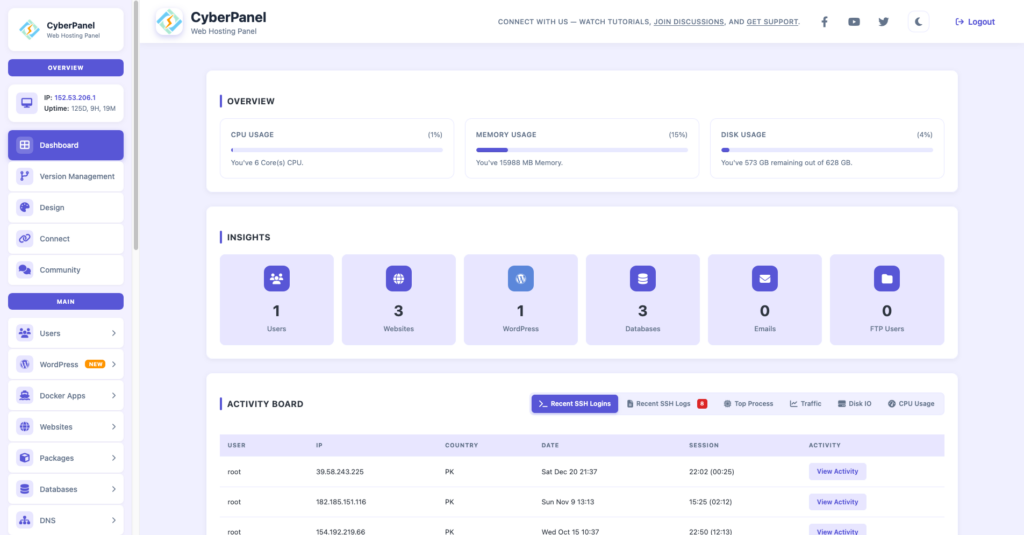
CyberPanel is your free and open-source web hosting control panel. It helps developers who are hosting Android backends, APIs, and emulation dashboards. It makes Linux server management, Docker workflows, and testing environments easier.
If you use Android emulators on Linux for development, CyberPanel helps manage the server side easily and safely.
Common Mistakes To Avoid
• Downloading fake Bluestacks Linux installers
• Trusting cracked or modified builds
• Running Bluestacks through unstable Wine setups
• Ignoring better native Linux tools
Stick to supported methods only.
Conclusion
BlueStack for Linux is not available natively in 2026. Forcing it results in performance issues and time being-wasted. Linux users can have a better experience with Waydroid, Anbox Cloud, and Android Studio Emulator. These choices are in line with Linux architecture and provide actual performance. The wise decision is not to force BlueStacks, but to select tools that are designed for Linux. If you value efficiency, stability, and control, then Linux already has what you require.
If you are serious about Android apps on Linux, stop chasing the BlueStacks build. Install a native solution today and get CyberPanel for your app server management.
People Also Ask
Is Bluestacks safe to install using third-party Linux builds?
No. These builds are unofficial and risky.
What is the fastest Android emulator for Linux?
Waydroid offers the best performance for most users.
Does BlueStacks work on Steam Deck Linux?
No. SteamOS does not support BlueStacks.