On this page
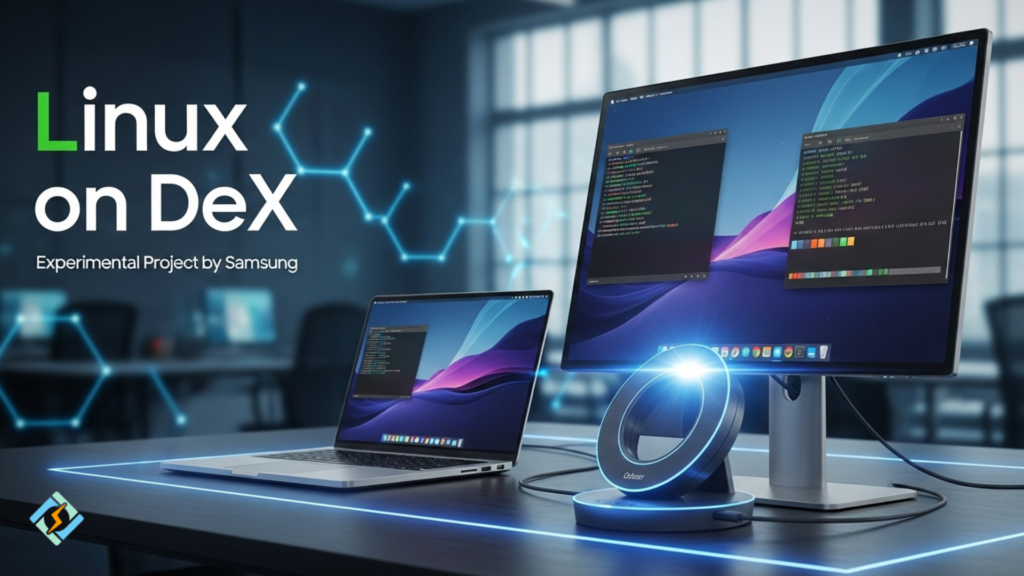
Samsung has been a pioneer in bridging the gap between mobile and desktop computing. Among its most innovative ventures was Linux on DeX, which enabled users to operate a complete Linux environment right on compatible Samsung smartphones and tablets via Samsung DeX.
For developers, Linux fans, and power users, Samsung DeX Linux opened a window to a future where a phone would serve as a development computer. No laptop. No complicated setup. Simply a monitor, keyboard, mouse, and your Samsung device.
Linux on DeX has been discontinued, but it is a significant milestone in mobile computing. A lot of people are still looking for Dex Linux to know how it worked, why it was important, and if there are alternatives nowadays.
This post explains all the details: the Linux on DeX concept, how Samsung DeX Linux works, pros and cons, discontinuation, and modern alternatives.
What Is Linux on DeX?
Linux on DeX was a Samsung initiative that gave users the ability to operate a Linux distribution in a container on Samsung devices via the Samsung DeX desktop interface.
In simple terms:
- Your Samsung phone powered the system
- DeX provided a desktop-like UI
- Linux ran inside a secure container
This turned a smartphone into a lightweight Linux desktop.
Understanding Samsung DeX Linux
Samsung DeX Linux was the result of merging two technologies:
Samsung DeX
Samsung DeX is a desktop mode that changes the display of your phone to a PC-like interface when you connect it to:
- External monitor
- Keyboard
- Mouse
- Linux Container
Linux was operating in a containerized environment, separated from Android but still sharing system resources.
Essentially, this gave rise to Dex Linux Samsung, a blended computing experience.
How Dex Linux Was Functioning on Samsung Devices
Below is the principle of usage of Linux on the DeX Samsung:
User connected the phone to a monitor through DeX
- Linux image was fetched
- Linux was running in a container
- Desktop Linux apps were launched in the DeX interface
It provided support for:
- Terminal access
- Development tools
- Command-line workflows
- GUI Linux apps (limited)
Supported Devices for Samsung Linux DeX
Only a few devices were compatible with Linux on DeX.
The list of supported models included:
- Samsung Galaxy Note series
- Samsung Galaxy S9, S10
- Selected Galaxy Tab models
Hardware requirements:
- High RAM
- Strong CPU
- DeX support
Linux Distribution Used in Linux on DeX
Samsung employed a custom Ubuntu-based distribution, which was optimized for the ARM architecture.
Main components:
- ARM-compatible packages
- Preconfigured development tools
- Optimized performance for mobile hardware
This lined up really well with developers, which turned Samsung DeX Linux into a very attractive option for them.
Advantages of Linux on DeX
- Portable Linux Desktop
Your phone was your Linux computer. You no longer needed a laptop.
- Developer-Friendly Environment
Developers could:
- Write code
- Compile programs
- Use Git and CLI tools
- Seamless Android and Linux Integration
It was very convenient to move back and forth between Android apps and Linux tools.
- Zero Dual Boot Required
Linux was running with Android, not replacing it.
- Enterprise and Education Potential
It forked out ideas such as:
- Mobile development labs
- Lightweight enterprise workstations
- Student coding environments
Limitations of Dex Linux Samsung
Even though it was a very innovative product, Linux on DeX had certain limitations.
Performance Constraints
Since Mobile CPUs and RAM were of limited capacity, they
- Could hardly manage heavy workloads
- Large compilations
- Intensive multitasking
ARM Compatibility Issues
A lot of Linux apps were made for x86 and not for ARM.
Limited GPU Acceleration
The graphics performance was just basic.
Niche User Base
Most average users do not need Linux on phones.
Why Did Samsung Stop Linux on DeX?
Samsung formally terminated Linux on DeX in 2019. Principal reasons:
- Low adoption
- High maintenance cost
- ARM software ecosystem challenges
- Focus on the core DeX experience
Though the choice might have been a letdown for some, it was a straightforward business decision.
Is Linux on DeX Still Available?
No. Linux on DeX has been discontinued officially. The app is no longer supported. Images haven’t been updated. New devices don’t support it. Any guide suggesting otherwise is outdated.
Other Options Instead of Samsung Linux DeX
There are alternative ways to do similar things even after Linux on DeX has been discontinued.
1. Termux on Samsung DeX
Termux gives you a Linux-like environment right on Android.
Pros:
- Continuously updated
- Lightweight
- Suitable for scripting and development
Cons:
- No full desktop Linux
2. Remote Linux via SSH
You can access a Linux server remotely using:
- SSH
- VNC
- RDP
This way, you can leverage the full Linux functionality on DeX.
3. Cloud Linux Desktops
Cloud providers offer Linux desktops that you can access via a browser.
Great for:
- Development
- Testing
- Remote work
4. ChromeOS and Linux Containers
ChromeOS provides a more seamless Linux desktop integration on ARM devices.
Is Samsung DeX Still Useful Without Linux?
Definitely.
Samsung DeX is still very much capable of:
- Productivity
- Office work
- Android app multitasking
- Light development
Although Samsung DeX Linux has been shut down, DeX itself is still getting better.
Future of Linux on Mobile Devices
Linux on DeX demonstrated, among other things, the following:
Smartphones have enough power for desktop tasks.
Further improvements may be:
- Better ARM Linux support
- Cloud-based Linux desktops
- Web-based development environments
Linux on mobile is not dyingits just changing.
How CyberPanel Fits with Linux on DeX and Samsung Linux
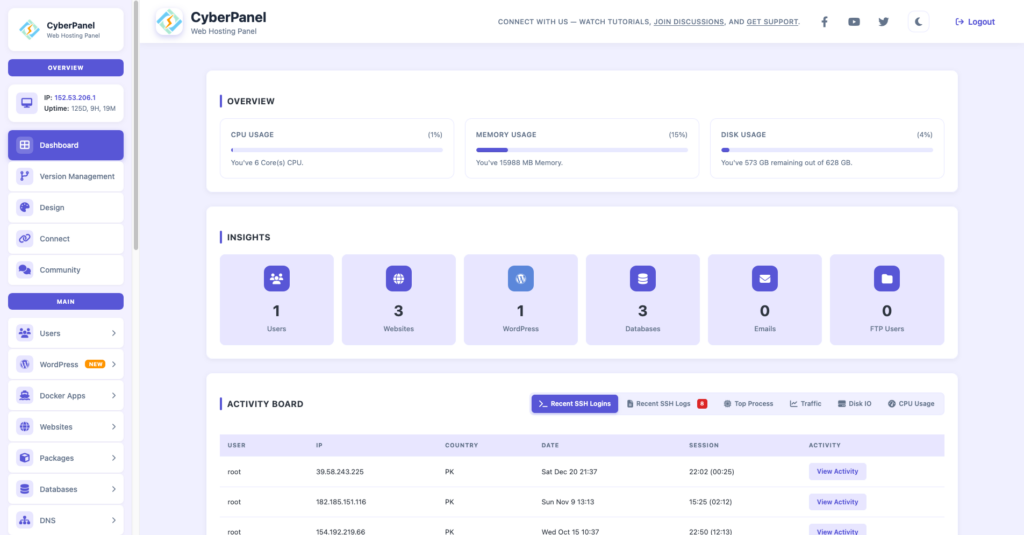
It was never the intention of Linux on DeX to handle full hosting stacks locally. As such, it functioned most efficiently as a Linux portable workstation. Therefore, CyberPanel, a web hosting control panel, should be seen as a remote server management tool rather than a local installation in this case.
With Samsung DeX, you could:
- Log in to CyberPanel via a web browser
- Work remotely on WordPress sites, databases, and DNS
- Run server monitoring without local resource consumption
Linux on DeX users could convert their Samsung device into a slim admin panel for CyberPanel servers located anywhere with this method, thus, they could bypass the limits of performance and hardware.
Final Verdict: Was Linux on DeX Ahead of Its Time?
Definitely. Linux on DeX was a visionary product.
It basically opened up the idea of using mobile hardware as a desktop platform. Although it was not commercially successful, it has changed the way we look at mobile productivity.
For developers and Linux aficionados, Dex Linux Samsung is always going to be a very interesting piece of computing history.
Linux on DeX was quite an ambitious and adventurous project, which essentially made smartphones and PCs more similar than ever before. Even though it has been discontinued, the impact it made is still there, and it actually served as an inspiration for the modern mobile productivity solutions.
Should Samsung decide to bring back Samsung Linux DeX, the ecosystem might be ready at last.
People Also Ask
Was Linux on DeX based on virtualization or containerization?
Linux on DeX used containerization, not full virtualization. This allowed Linux to run efficiently on mobile hardware with lower overhead, but it also limited kernel-level customization and hardware access compared to virtual machines.
Could Linux on DeX replace a laptop for developers?
For light development tasks, yes. Linux on DeX was suitable for coding, scripting, Git workflows, and container management. However, due to ARM limitations, lack of GPU acceleration, and performance constraints, it could not fully replace a traditional laptop for heavy development or production workloads.
Did Linux on DeX allow full root access?
Yes, Linux on DeX provided root access inside the Linux container, but not to the underlying Android system. This meant users could install packages, configure services, and run development tools freely inside Linux, while Android remained sandboxed and secure.